Overview
Businesses are now serving new types of customer – those who have been financially impacted by global economic shocks; suppliers who are unclear on how to navigate the new world; and consumers who look at consuming in a very different way.
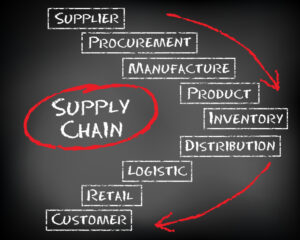
The challenges posed to the end-end supply chain range from supply delays or cancellations, delivery restrictions, decreasing demand, supplier bankruptcies, pricing movements on goods and services, and limited workforce availability. Coupled with the rapid pace of technological advancement, this is challenging companies to deliver on their customer service promise while maintaining an efficient cost base and asset utilization.
Issues you may be facing
- Increase in shifting buying behaviour from Onpremise type retail to online retail demanding a new supply chain fulfillment model.
- Lack of transparency impacting end-end orchestration in the supply chain.
- Rising supply chain management costs driven by global operations complexit.
- Business processes which are not agile and responsive to deal with changing customer demand resulting in stock-outs, lost sales and lost market share.
- New competitor entries to market disrupting with emerging technologies and new innovative ways of business.
- Sustainability – My consumers (customers) are demanding sustainable operations. They want to know where and how it was sourced, what is it made off it and where is it going to after it is used and most importantly how am I/business contributing.
- Supply chain agility and resilience post Covid-19. My supply chain is not flexible enough to respond to dynamic market changes or proactively consider the financial implication of my chosen response.
- Lack of end-to-end visibility across the extended business constraining business effectiveness and collaboration.